How Missing Teeth Can Change Your Life
Strongsville, OH
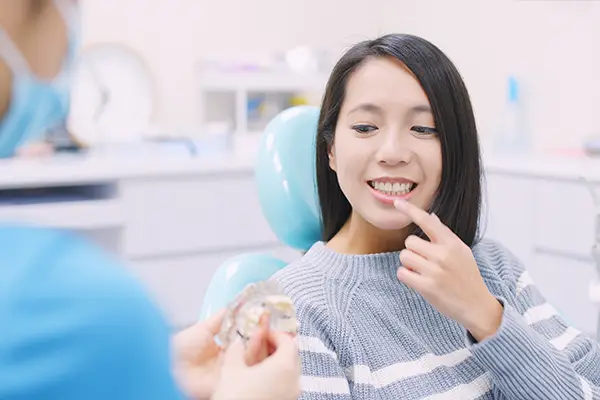 A missing tooth rarely stays a private matter for long. It shows up in the moment someone hesitates before laughing at a joke, in the way a hand rises to cover the mouth mid-conversation, in the extra beat of thought before agreeing to a photo. What begins as a small gap in the smile often grows into something far more personal, touching confidence, relationships, and the way a person shows up in the world each day. Understanding this ripple effect helps explain why replacing a missing tooth is about far more than appearance. A missing tooth rarely stays a private matter for long. It shows up in the moment someone hesitates before laughing at a joke, in the way a hand rises to cover the mouth mid-conversation, in the extra beat of thought before agreeing to a photo. What begins as a small gap in the smile often grows into something far more personal, touching confidence, relationships, and the way a person shows up in the world each day. Understanding this ripple effect helps explain why replacing a missing tooth is about far more than appearance.
It can be easy to underestimate how much a smile shapes daily interactions until something changes it. Most people do not think twice about smiling at a stranger, laughing loudly at a friend's joke, or speaking up in a group conversation. When a tooth goes missing, those small, everyday moments can start to feel complicated, and the emotional impact often builds gradually rather than all at once. The Strongsville Center for Cosmetic & Implant Dentistry wants to help.
The Weight Of A Hidden Smile
Many people who lose a tooth develop small, almost unconscious habits to compensate. They may angle their face away from others when speaking, keep their lips closed in photographs, or avoid smiling widely even when something is genuinely funny. Over time, these habits can start to feel automatic, and the person may not even realize how much energy is spent managing how their smile is perceived.
This constant self-monitoring can be exhausting. Instead of being present in a conversation or fully enjoying a moment with friends or family, part of the mind stays focused on concealment. That divided attention can make interactions feel less natural and less enjoyable, even when nothing else about the day has changed.
First Impressions And Professional Settings
Smiles play an outsized role in how people are perceived in professional environments. A confident, open smile is often associated with trustworthiness, competence, and approachability. When a missing tooth causes someone to smile less or speak more guardedly, it can unintentionally affect how colleagues, clients, or interviewers read their confidence and engagement.
This is particularly noticeable in roles that involve regular public interaction, presentations, or client-facing communication. Someone who feels self-conscious about a gap in their smile may hold back from speaking up in meetings or avoid situations where their smile is on display, even when they have valuable input to offer. Over time, these small hesitations can add up, subtly shaping how a person is perceived professionally.
Networking events, job interviews, and industry conferences often place people in front of new faces who form quick judgments based on limited information. A guarded smile or muted expression can unintentionally suggest disinterest or discomfort, even when the person is simply trying to avoid drawing attention to a missing tooth. Over the course of a career, these small moments of hesitation can quietly limit opportunities that would otherwise come naturally.
Strained Conversations And Social Withdrawal
Beyond appearance, a missing tooth can also affect the mechanics of speech, adding another layer of self-consciousness to social situations. Certain sounds may become harder to pronounce clearly, and some people notice a slight whistle or slur when speaking, especially if the missing tooth is near the front of the mouth.
For some, this leads to a preference for quieter settings or smaller gatherings, where speech is easier to manage and less likely to be scrutinized. Invitations to larger social events, group dinners, or celebrations may start to feel like something to get through rather than enjoy. Over months and years, this gradual withdrawal can affect relationships and reduce opportunities for connection, even though the underlying cause is a single dental issue that can often be addressed.
The Cycle Of Avoidance
One of the more difficult aspects of living with a missing tooth is how the effects tend to reinforce one another. Self-consciousness leads to avoidance, avoidance leads to fewer social opportunities, and fewer social opportunities can deepen feelings of isolation. Because the original issue is dental, many people do not immediately connect these broader lifestyle changes back to the missing tooth itself.
Recognizing this pattern is often the first step toward addressing it. The good news is that this cycle is not permanent, and it does not require years of adjustment to resolve. With the right restorative approach, patients frequently find that their confidence and social ease return far more quickly than they expected.
Restoring The Smile, Restoring Confidence
Fortunately, modern dentistry offers several reliable ways to replace a missing tooth and restore natural function and appearance. The right option depends on factors such as the location of the missing tooth, the health of the surrounding teeth and gums, and personal preference.
| • |
Dental implants, which replace the tooth root and support a custom-matched crown for a natural look and long-term stability
|
| • |
Fixed dental bridges, which use the neighboring teeth to support a replacement tooth and restore the bite
|
| • |
Partial dentures, which fill in one or more gaps while remaining removable for easy cleaning
|
| • |
Full dentures, for patients missing most or all of their teeth in an arch
|
| • |
Implant-supported bridges or dentures, which combine the stability of implants with the coverage of a bridge or denture |
Each of these restorations is designed to do more than fill a gap. They are built to restore natural chewing function, support clear speech, and bring back the kind of smile that feels comfortable to share without a second thought.
Taking The First Step
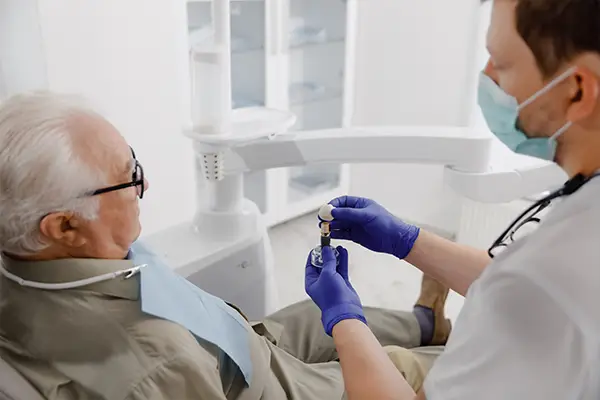 If a missing tooth has changed the way you smile, speak, or engage with others, you do not have to navigate that alone. The dentist and dental team at The Strongsville Center for Cosmetic & Implant Dentistry takes time to understand each patient's individual situation and goals, then recommends a dental restoration plan suited to their specific needs and lifestyle. Restoring a missing tooth is often one of the most meaningful changes a patient can make, not just for their smile, but for how confidently they move through daily life, from casual conversations to important professional milestones. To schedule a consultation and learn which restoration option is right for you, call The Strongsville Center for Cosmetic & Implant Dentistry today at (440) 580-1028. If a missing tooth has changed the way you smile, speak, or engage with others, you do not have to navigate that alone. The dentist and dental team at The Strongsville Center for Cosmetic & Implant Dentistry takes time to understand each patient's individual situation and goals, then recommends a dental restoration plan suited to their specific needs and lifestyle. Restoring a missing tooth is often one of the most meaningful changes a patient can make, not just for their smile, but for how confidently they move through daily life, from casual conversations to important professional milestones. To schedule a consultation and learn which restoration option is right for you, call The Strongsville Center for Cosmetic & Implant Dentistry today at (440) 580-1028. |