Smoking and your Teeth
Posted on 5/1/2026 by Strongsville Center for Cosmetic & Implant Dentistry |
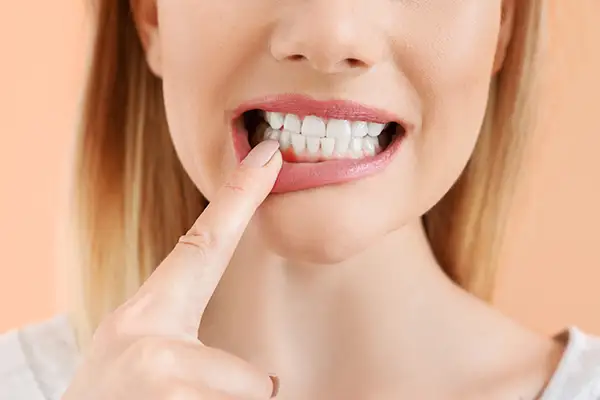 Let's talk about how smoking can affect your smile. We all know that smoking isn't great for our overall health, but many people don't realize just how much damage it can do to their teeth and gums. This isn't meant to scare you, but rather to inform you so you can make the best choices for your well-being. Let's talk about how smoking can affect your smile. We all know that smoking isn't great for our overall health, but many people don't realize just how much damage it can do to their teeth and gums. This isn't meant to scare you, but rather to inform you so you can make the best choices for your well-being.
Smoking is a serious risk factor when it comes to oral health. The chemicals in cigarettes, cigars, and even smokeless tobacco can wreak havoc on the tissues in your mouth. These chemicals impact your ability to fight off infection and can cause significant damage over time.
One of the most common problems smokers face is gum disease, also known as periodontal disease. Smoking weakens the connection between the gums and bone, making it easier for bacteria to invade. This can lead to inflammation, bleeding gums, and eventually, tooth loss. Smokers tend to develop gum disease more quickly and severely than non-smokers. It also makes gum disease harder to treat.
Another big issue is staining. Tar and nicotine in tobacco products can quickly discolor your teeth, turning them yellow or even brown. This staining can be difficult to remove, even with professional cleanings.
Smoking also affects your breath. It contributes to bad breath, also known as halitosis, which can be persistent and embarrassing. The chemicals in smoke linger in the mouth, creating an unpleasant odor.
And perhaps one of the most serious consequences of smoking is the increased risk of oral cancer. Smoking is a major risk factor for developing cancer of the mouth, throat, and lips. Early detection is key, but the best way to prevent oral cancer is to avoid tobacco use altogether.
What can you do to protect your teeth if you smoke? The most effective step is to quit smoking. It's not easy, but it's the best thing you can do for your overall health and your smile. There are many resources available to help you quit, including support groups, medications, and counseling.
Even if you're not ready to quit, there are still steps you can take to improve your oral health. Meticulous oral care is essential. This means brushing your teeth at least twice a day with fluoride toothpaste and flossing daily. This helps remove plaque and bacteria that can contribute to gum disease and other problems.
Regular dental checkups are also crucial. Your dentist can detect early signs of gum disease, oral cancer, and other issues. They can also provide professional cleanings to remove stubborn stains and plaque buildup. These regular visits are a cornerstone of prevention dentistry.
Consider using an antimicrobial mouthwash. These mouthwashes can help kill bacteria and reduce inflammation in the mouth. Look for a mouthwash that is specifically designed to fight gum disease.
Staying hydrated is important, too. Smoking can dry out your mouth, which can increase your risk of cavities and other problems. Drink plenty of water throughout the day to keep your mouth moist.
Taking care of your teeth is an investment in your overall health. By understanding the risks of smoking and taking steps to protect your smile, you can enjoy a healthier and happier life.
|
|