Did You Know That Diabetes Can Make You Lose Teeth?
Posted on 1/1/2026 by Strongsville Center for Cosmetic & Implant Dentistry |
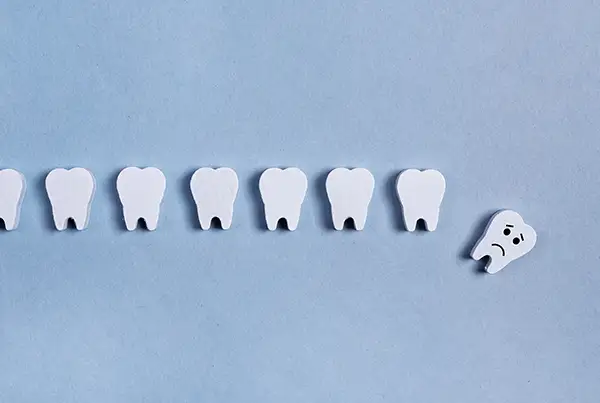 It might surprise you to learn that a condition affecting your blood sugar could significantly impact the health of your mouth. Diabetes and oral health are more connected than many people realize. This connection can, unfortunately, sometimes lead to tooth loss. Let's explore this relationship and understand how to protect your smile if you have diabetes. It might surprise you to learn that a condition affecting your blood sugar could significantly impact the health of your mouth. Diabetes and oral health are more connected than many people realize. This connection can, unfortunately, sometimes lead to tooth loss. Let's explore this relationship and understand how to protect your smile if you have diabetes.
Understanding Diabetes and Its Effects
Diabetes is a chronic health condition where your body either doesn't make enough insulin or can't properly use the insulin it makes. Insulin is a hormone that helps sugar from the food you eat get into your cells to be used for energy. When sugar builds up in your bloodstream, it can lead to a variety of health problems. While discussions about healthcare policy, like the ACA or even potential changes under "Trumpcare," often focus on managing diabetes, we sometimes forget the specific impact on dental well-being.
The Link Between Diabetes and Oral Health
High blood sugar levels, a hallmark of diabetes, can weaken your immune system. This makes you more susceptible to infections, including gum disease. Gum disease, also known as periodontal disease, is an infection of the gums and bone that support your teeth.
Here's how diabetes contributes to gum disease and potential tooth loss:
| • |
Increased Inflammation: Diabetes can cause increased inflammation throughout the body, including in the gums. This inflammation can damage the tissues that hold your teeth in place. |
| • |
Dry Mouth: Some medications used to manage diabetes can cause dry mouth. Saliva helps to wash away food particles and neutralize acids in the mouth, protecting against tooth decay and gum disease. Less saliva means less protection. |
| • |
Slowed Healing: Diabetes can impair blood flow, which slows down the healing process. This means that any gum infections or sores in the mouth may take longer to heal and are more prone to worsening. |
Protecting Your Smile with Diabetes
If you have diabetes, taking proactive steps to protect your oral health is crucial. Here are some important tips:
| • |
Control Your Blood Sugar: The most important thing you can do is to manage your blood sugar levels. Work closely with your doctor or healthcare provider to develop a diabetes management plan that works for you. |
| • |
Practice Excellent Oral Hygiene: Brush your teeth at least twice a day with fluoride toothpaste and floss daily. This helps remove plaque and bacteria that can lead to gum disease. |
| • |
Regular Dental Checkups: See your dentist regularly for checkups and cleanings. Let your dentist know that you have diabetes so they can provide specialized care. It is also worth asking about senior dental care options if you are a senior citizen. |
| • |
Watch for Signs of Gum Disease: Be aware of the signs of gum disease, such as red, swollen, or bleeding gums; persistent bad breath; loose teeth; or gums that have pulled away from the teeth. See your dentist immediately if you notice any of these symptoms. |
| • |
Stay Hydrated: Drink plenty of water to help keep your mouth moist and promote saliva production. |
| • |
Quit Smoking: Smoking worsens diabetes and increases the risk of gum disease. Quitting smoking is one of the best things you can do for your overall health and oral health. |
Addressing the Bigger Picture
While personal habits are key, broader public health issues also play a role. The rise of obesity, for example, is linked to increased rates of diabetes, indirectly affecting oral health on a wider scale. As a Mormon dentist, I am committed to advocating for overall well-being in my community, recognizing that oral health is just one piece of a larger puzzle.
Taking care of your teeth and gums is an essential part of managing diabetes. By understanding the connection between diabetes and oral health and following these tips, you can help prevent tooth loss and maintain a healthy, confident smile for years to come.
|
|