Why Do Teeth Ache After Getting Fillings?
Posted on 8/3/2026 by Strongsville Center for Cosmetic & Implant Dentistry |
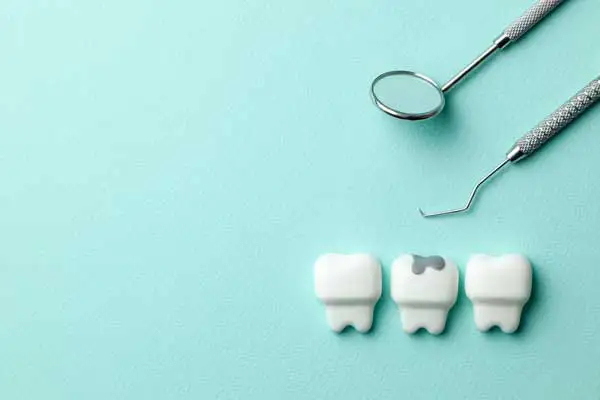 Getting a dental filling is a common experience, and it's a key part of restoration dentistry. When a tooth develops a cavity, the decay needs to be removed and the tooth needs to be filled to protect it from further damage. But what happens when your tooth aches after you've had a dental filling placed? It's a question many patients have, and understanding the reasons behind this discomfort can help ease your mind and ensure proper oral care. Getting a dental filling is a common experience, and it's a key part of restoration dentistry. When a tooth develops a cavity, the decay needs to be removed and the tooth needs to be filled to protect it from further damage. But what happens when your tooth aches after you've had a dental filling placed? It's a question many patients have, and understanding the reasons behind this discomfort can help ease your mind and ensure proper oral care.
Sensitivity is Normal
It’s not unusual for your tooth to feel sensitive after getting a dental filling. Think of it like this: your tooth has just been through a procedure! The dentist has cleaned out decay, which can irritate the nerve inside the tooth. This irritation can cause sensitivity to hot, cold, sweet, or even pressure. Usually, this sensitivity is mild and fades away within a few days or weeks.
The Filling Material Matters
The material used for your dental filling can also influence post-operative sensitivity. Different materials react differently with your tooth. For example, some materials expand and contract slightly with temperature changes, which can put pressure on the tooth and cause discomfort. Your dentist will choose the best material for your situation based on the size and location of the cavity, as well as your individual needs.
Bite Adjustments Might Be Needed
Sometimes, the dental filling might be a little too high. Even a tiny difference can put extra pressure on the filled tooth when you bite down. This extra pressure can cause soreness and discomfort. If you notice that your bite feels off, or that the filled tooth is hitting first when you close your mouth, let your dentist know. A simple adjustment can often resolve the issue quickly.
The Pulp's Response
The pulp is the soft tissue inside your tooth that contains nerves and blood vessels. When decay gets close to the pulp, it can become inflamed. Even after the decay is removed and the tooth is filled, the pulp might still be irritated. This inflammation can lead to a lingering ache. In most cases, the pulp will heal and the discomfort will subside. However, in some instances, if the pulp is severely damaged, further treatment might be necessary.
Deep Cavities and Inflammation
If the cavity was very deep, reaching close to the nerve of the tooth, post-filling discomfort is more likely. A deep cavity means more decay had to be removed, which can cause more irritation to the nerve. The closer the decay is to the nerve, the more likely you are to experience sensitivity or aching afterward.
What Can You Do?
If you experience toothache after getting a dental filling, here are a few things you can do:
| • |
Maintain excellent oral care: Continue brushing twice a day and flossing daily. Gentle brushing around the filled tooth can help keep the area clean and promote healing. |
| • |
Avoid extreme temperatures: Try to avoid very hot or very cold foods and drinks, as these can trigger sensitivity. |
| • |
Over-the-counter pain relievers: You can take over-the-counter pain relievers as directed to help manage any discomfort. |
| • |
Contact your dentist: If the pain is severe, persistent, or accompanied by swelling, contact your dentist right away. They can evaluate the situation and determine the best course of action. |
Understanding why your tooth might ache after a dental filling can help you feel more prepared and less anxious about the process. Remember that sensitivity is often temporary and can be managed with proper oral care and communication with your dentist.
|
|