What to Do to Care for a Tooth with a Missing Crown
Posted on 2/2/2026 by Strongsville Center for Cosmetic & Implant Dentistry |
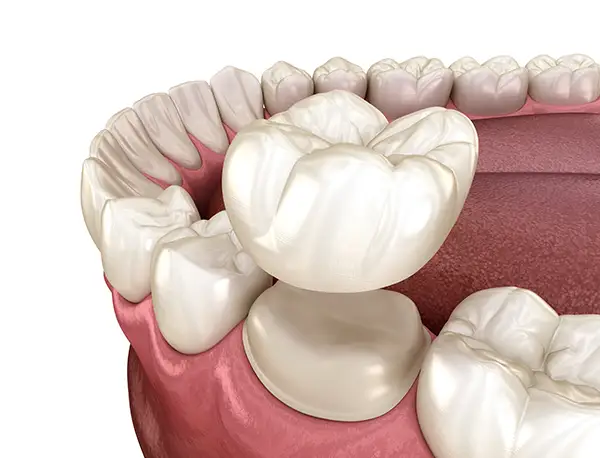 Losing a dental crown can be a frustrating experience. Your mouth suddenly feels different, and you might worry about the tooth underneath. Think of a crown like a helmet for your tooth; it protects it from damage. When it comes off, that protection is gone. But don't panic! Knowing what to do next can help keep your tooth safe until you can get it fixed. Losing a dental crown can be a frustrating experience. Your mouth suddenly feels different, and you might worry about the tooth underneath. Think of a crown like a helmet for your tooth; it protects it from damage. When it comes off, that protection is gone. But don't panic! Knowing what to do next can help keep your tooth safe until you can get it fixed.
Why Crowns Come Loose
Crowns are designed to be strong and long-lasting, but they can sometimes come loose or fall off. Several factors can contribute to this. One common reason is decay around the edges of the crown. Sugar and bacteria can sneak in between the crown and the tooth, leading to cavities. Over time, this decay weakens the bond, causing the crown to detach.
Another cause is biting on hard foods or objects. Habits like chewing ice, biting your nails, or using your teeth to open packages can put excessive pressure on the crown, eventually causing it to loosen. Trauma to the mouth, such as a blow to the face, can also dislodge a crown. Sometimes, the cement that holds the crown in place simply weakens over time.
Immediate Steps to Take
If your crown comes off, the first thing to do is retrieve it if you can. Gently rinse it with water. If the inside of the crown looks clean, you might be able to temporarily reattach it. Before attempting this, carefully clean your tooth. You can use a cotton swab or a soft toothbrush to remove any debris.
You can find temporary dental cement at most drugstores. Follow the package directions to apply a small amount of cement inside the crown and carefully place it back on your tooth. Bite down gently to ensure it's properly seated. Remember, this is only a temporary fix. Don't use super glue or any other household adhesive, as these can be harmful.
If you can’t reattach the crown, keep it in a safe place and bring it with you to your dental appointment.
Protecting Your Tooth
Even if you've temporarily reattached the crown, or are unable to, it's important to protect the exposed tooth. The tooth beneath the crown is likely more sensitive to temperature changes and pressure. Avoid chewing on that side of your mouth as much as possible. Soft foods are your best friend during this time.
Practice excellent oral care. Gently brush the exposed tooth with a soft-bristled toothbrush and fluoride toothpaste. Be extra careful around the area where the crown was, as it may be sensitive. You can also use a saltwater rinse to help keep the area clean and reduce any discomfort.
The Importance of Seeing Your Dentist
A missing crown is not something you should ignore. It's essential to schedule an appointment with your dentist as soon as possible. Leaving the tooth unprotected can lead to further complications, such as sensitivity, shifting of other teeth, or even infection.
Your dentist will evaluate the tooth and determine the best course of action. They may be able to re-cement the original crown, or they might need to create a new one. They will also check for any decay or damage to the underlying tooth.
Crowns and Restoration Dentistry
Dental crowns are an important part of restoration dentistry, and they play a vital role in protecting and preserving damaged teeth. Promptly addressing a lost crown helps ensure the long-term health and function of your smile. By understanding why crowns come loose and what steps to take in the event of a mishap, you can help protect your tooth and maintain good oral health.
|
|